April 14, 2026
Recognizing the Risks of Poor Drainage
Water may seem harmless when it falls as rain or drains from a downspout, but once it begins collecting around a home, it can create problems. Saturated soil puts pressure on foundations, standing water can seep into basements, and repeated moisture exposure can encourage mold, wood rot, and surface deterioration. Homeowners often notice the results gradually, such as musty odors, cracked masonry, puddles near walkways, or damp spots that return after every storm. These warning signs should never be ignored because drainage problems rarely correct themselves over time.
One of the most effective ways to address moisture issues is by redirecting water before it can settle where it does not belong. That is why French drains are such a practical solution for residential properties. Rather than allowing water to pool around the home, this system collects and channels it away from vulnerable areas. When used as part of a drainage strategy, it helps protect the structure, improves yard conditions, and reduces the likelihood of recurring water damage that affects indoor and outdoor spaces.
Directing Water Away From the Foundation
A foundation is only as secure as the conditions surrounding it. When excess water repeatedly gathers near the base of a house, the soil expands, contracts, and shifts in ways that place stress on concrete walls and footings. Over time, that movement may contribute to cracks, uneven settling, and water intrusion. Even minor seepage can develop into a larger issue if it continues season after season. Managing runoff close to the home is therefore an essential part of long-term property protection.
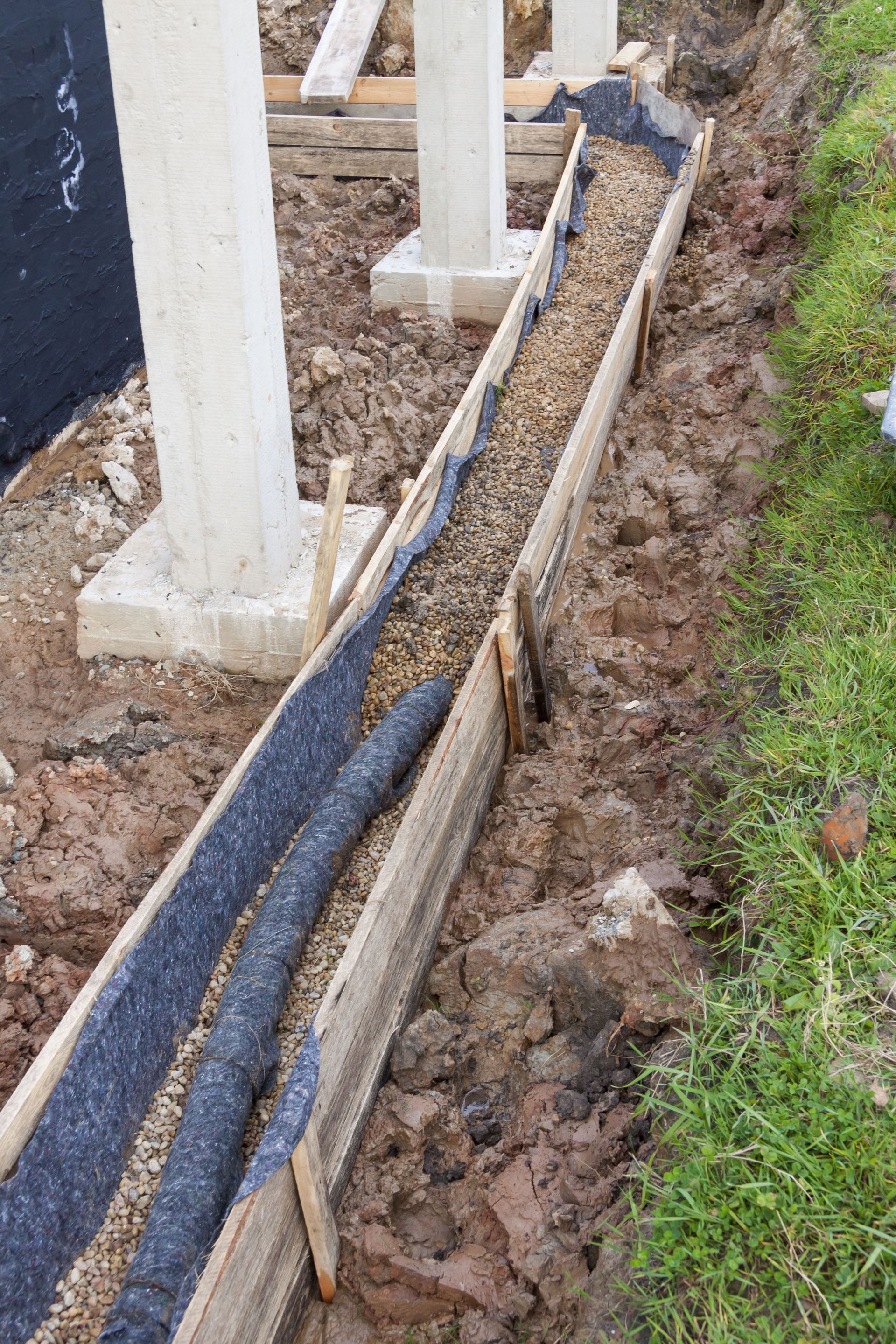
French drains work by intercepting groundwater and surface water before it can build up around the foundation. A perforated pipe is typically placed in a gravel-filled trench, allowing water to enter the system and move toward a safe discharge point. Because the pipe is surrounded by material that encourages drainage, the system reduces saturation in the surrounding soil. This can be especially useful for homes located on flat lots, in areas with heavy rainfall, or on properties where water tends to gather in the same places after every storm. By moving moisture away from the house, the system helps reduce the stress that standing water can place on below-grade walls and nearby structural elements.
Protecting Basements and Crawl Spaces
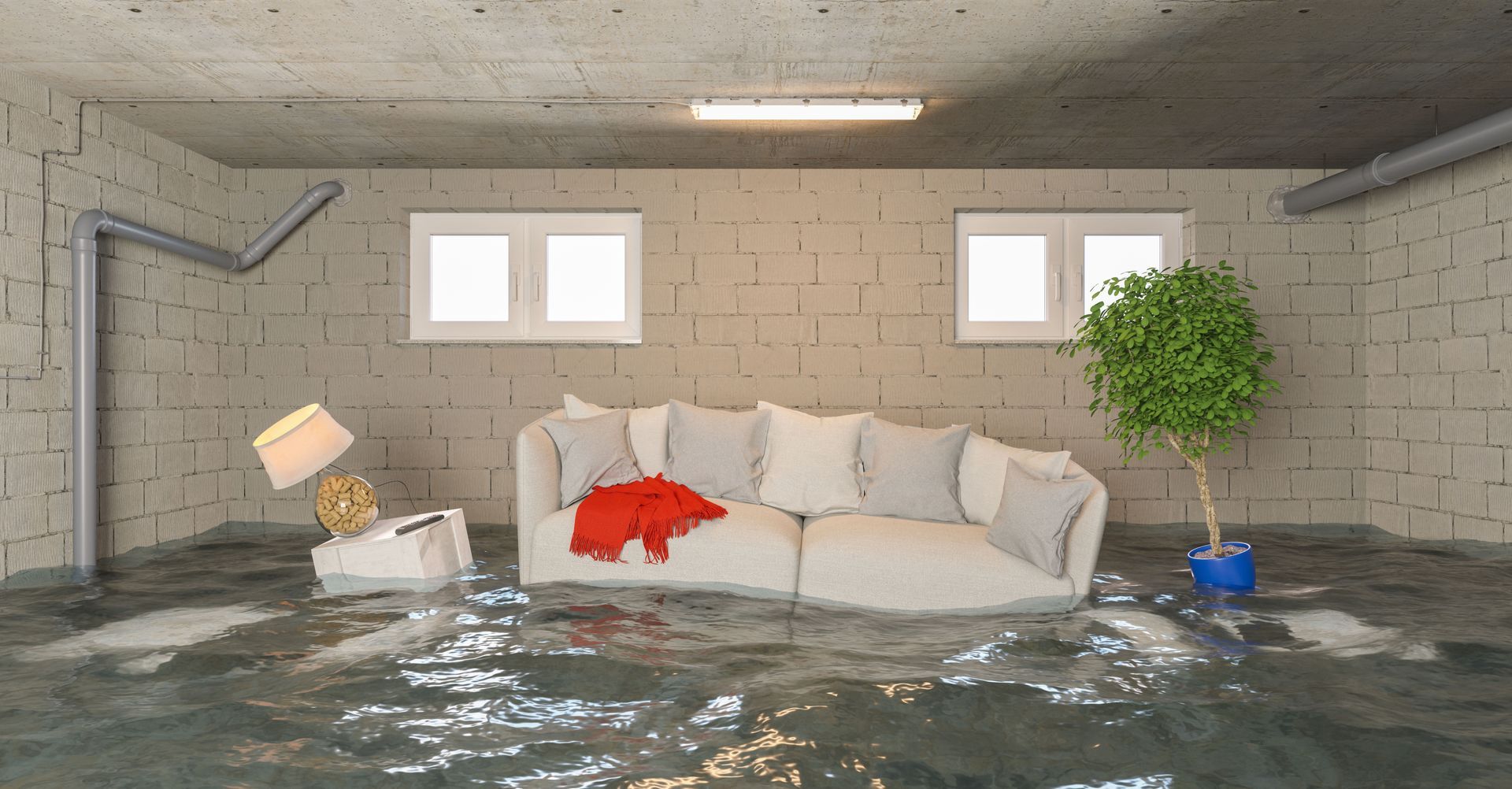
Below-ground and low-lying areas are especially vulnerable when drainage is poor. Basements and crawl spaces sit closest to the soil, which means they are often the first places where excess moisture appears. A home may start to show subtle signs, such as condensation, damp insulation, peeling paint, or a persistent earthy smell. If the issue becomes more severe, homeowners may encounter puddling, warped materials, damaged belongings, or mold growth that affects indoor air quality. These environments do not need a major flood to suffer damage. Repeated minor moisture intrusion can be just as harmful over time.
This is where French drains provide a meaningful layer of defense. When installed around the perimeter of a home or in strategic problem areas, they help limit how much water reaches the spaces most at risk. Less hydrostatic pressure against basement walls means fewer opportunities for seepage and less strain on waterproofing materials. In crawl spaces, controlling nearby moisture can help preserve insulation, framing, and flooring systems above. A drier lower level also supports a healthier living environment overall, since trapped dampness often affects more than one part of the home. Preventing water from entering these spaces is far easier and less expensive than repairing damage after materials have already been compromised.
Preserving Landscaping and Outdoor Surfaces
Drainage problems do not only threaten the interior of a home. They also take a visible toll on landscaping, patios, sidewalks, and other outdoor features that contribute to curb appeal and usability. When water sits too long in planting beds or grassy areas, roots can suffocate, soil can erode, and mulch can wash out of place. Pavers may begin to shift, walkways can become slippery, and puddles can make portions of the yard difficult to use. In colder climates, freeze-thaw cycles may worsen the damage by expanding cracks and weakening surfaces already affected by excess moisture.
French drains help stabilize these areas by giving water a reliable path to follow instead of allowing it to spread unpredictably across the property. This can preserve the appearance and function of outdoor spaces that homeowners have invested time and money into maintaining. A yard that drains properly is easier to mow, safer to walk across, and less likely to develop chronically soggy spots. It also protects hardscape features from the undermining effects of water that repeatedly washes beneath them. When drainage is treated as part of the overall landscape plan, the property becomes more attractive and resilient. Homeowners are not simply solving a nuisance problem; they are preserving the surfaces and materials that shape how the exterior of the home looks and performs.
Supporting Proper Grading and Drainage Design
No single drainage feature should be viewed in isolation. Lasting moisture control usually depends on how several elements work together, including grading, gutters, downspout extensions, and collection systems. A property that appears mostly flat may still need subtle adjustments to encourage runoff away from the home. According to Lawn Love, land grading improves drainage on flat yards, with an ideal terrain slope of at least two degrees to help water run off. That kind of slope can make a significant difference in how water behaves after rain and how quickly saturated areas begin to dry.
Even with thoughtful grading, some properties still need additional support to manage groundwater or repeated pooling. In those cases, French drains can complement the overall drainage design by collecting water that grading alone cannot fully solve. This combination is often more effective than relying on one correction while ignoring other contributing factors. For example, a yard may slope better after grading but still hold moisture near a retaining wall or foundation edge. A well-placed drainage system helps address those stubborn areas and keeps runoff moving in the intended direction. When the drainage plan is designed holistically, the home benefits from layered protection rather than a temporary fix that only addresses part of the problem.
Planning for Long-Term Performance
The effectiveness of any drainage solution depends on planning, installation, and maintenance. While some homeowners may be tempted to treat runoff problems as do-it-yourself projects, drainage issues are often more complex than they first appear. The source of the water may not be obvious; soil conditions vary from one yard to another, and discharge points must be selected carefully to avoid creating new problems elsewhere on the property. A system that is too shallow, poorly sloped, or clogged with sediment will not deliver the protection the home needs.
Professional evaluation helps determine where French drains will work best, how deep the trench should be, what materials are appropriate, and how the water should be directed once it enters the pipe. Ongoing maintenance also matters. Leaves, soil, and debris can reduce performance if the system is never inspected, and landscaping changes can alter how water moves over time. When homeowners invest in properly designed and maintained French drains, they are protecting more than the appearance of the yard.
They are helping safeguard the home’s foundation, lower spaces, outdoor features, and long-term value. Smart drainage planning reduces the chance that moisture will become disruptive and require expensive repairs later. Call Ohio Custom Waterproofing & Drainage today to schedule your waterproofing or drainage service.