February 11, 2026
Understanding the impact of flooding in flood-prone areas is crucial, especially when it comes to protecting your home. Basement waterproofing is a vital process in safeguarding your property from water damage, and working with a trusted basement waterproofing company can significantly improve long-term results. This article provides flood zone residents with essential information and practical steps for effective basement waterproofing. With climate change intensifying weather patterns, flooding risks are increasingly significant. The consequences of inadequate waterproofing can lead to severe damage, health concerns, and costly repairs that affect both comfort and property value.
Understanding Flood Zones and Risks
Defining Flood Zones
Flood zones are geographic areas that FEMA has defined according to varying levels of flood risk. These zones are primarily determined by their proximity to bodies of water and historical flood data. Flood zones are categorized into various levels indicating the likelihood and frequency of flooding, ranging from low-risk areas to high-risk floodplains. Residents in these areas are advised to be proactive in protecting their homes. Understanding one’s specific flood zone can dictate necessary adjustments in waterproofing strategies and preparedness planning.
Common Flood Risks in Residential Areas
Residential areas, particularly those near rivers, coasts, or low-lying regions, face significant flood risks. Heavy rains, poor drainage systems, and rising sea levels exacerbate these dangers. Urban development often leads to increased runoff due to reduced absorption by natural land, heightening flood risks. Families residing in these zones should be prepared for both sudden and prolonged flooding events. Being informed about these risks supports proactive measures for residential protection.
The Impact of Flooding on Basement Structures
Flooding can cause devastating impacts on basement structures, leading to structural weakness and extensive water damage. Water intrusion can promote mold growth, wood rot, and foundation deterioration if left unaddressed. Such damage often results in expensive repairs and long-term loss of home value. Preventative waterproofing measures protect both the basement and the integrity of the home’s structure. Early intervention significantly reduces the severity of these outcomes.
Flood Zone Maps and Resources
Flood zone maps are key resources that help residents assess their specific flood risks. FEMA provides detailed maps that categorize different flood zones based on historic flood data and geographic analysis. These tools support informed planning and guide homeowners toward appropriate waterproofing solutions. Frequent updates ensure that residents stay informed as conditions evolve. Leveraging these resources strengthens long-term protection efforts.
Types of Basement Waterproofing Solutions
Exterior Waterproofing Methods
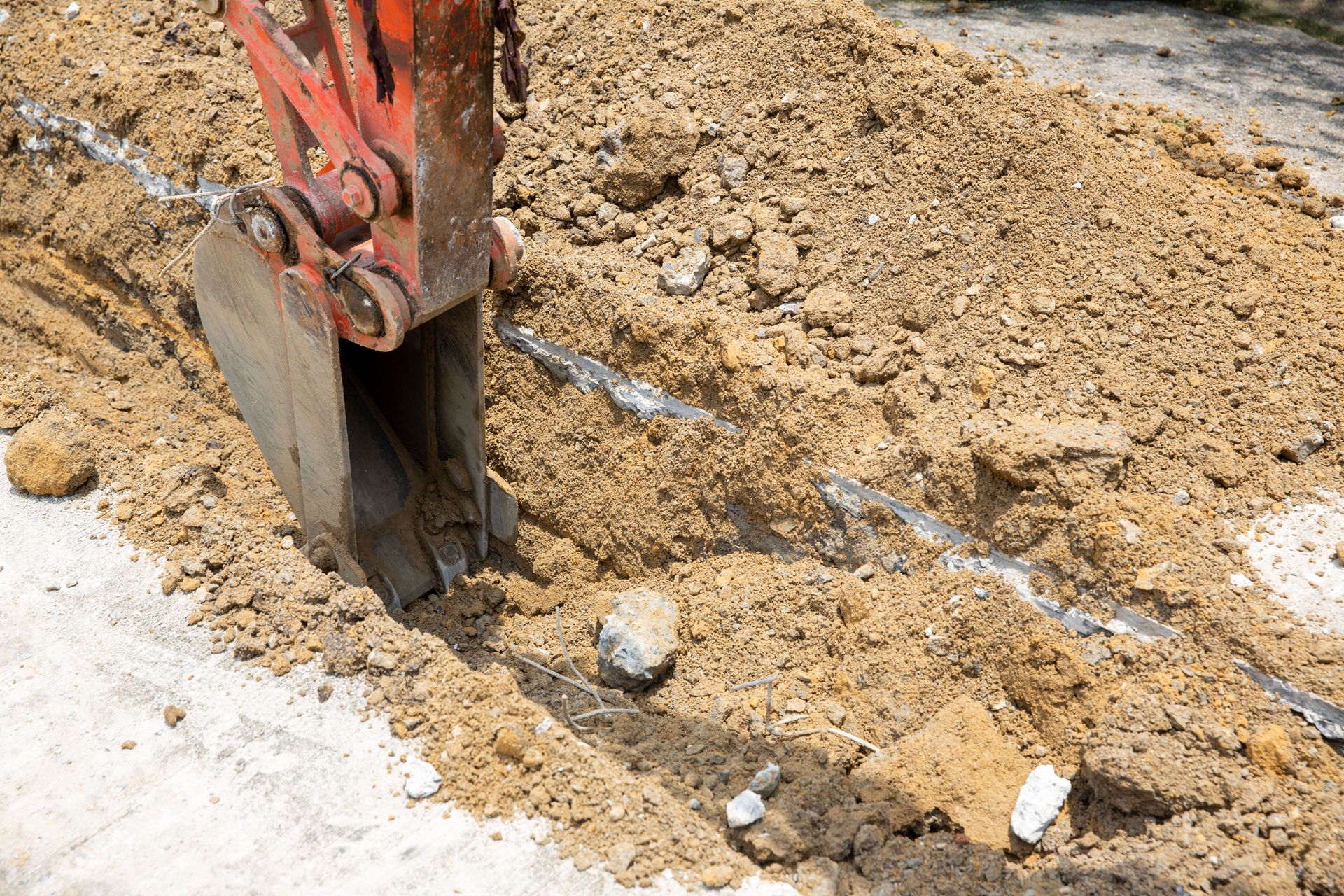
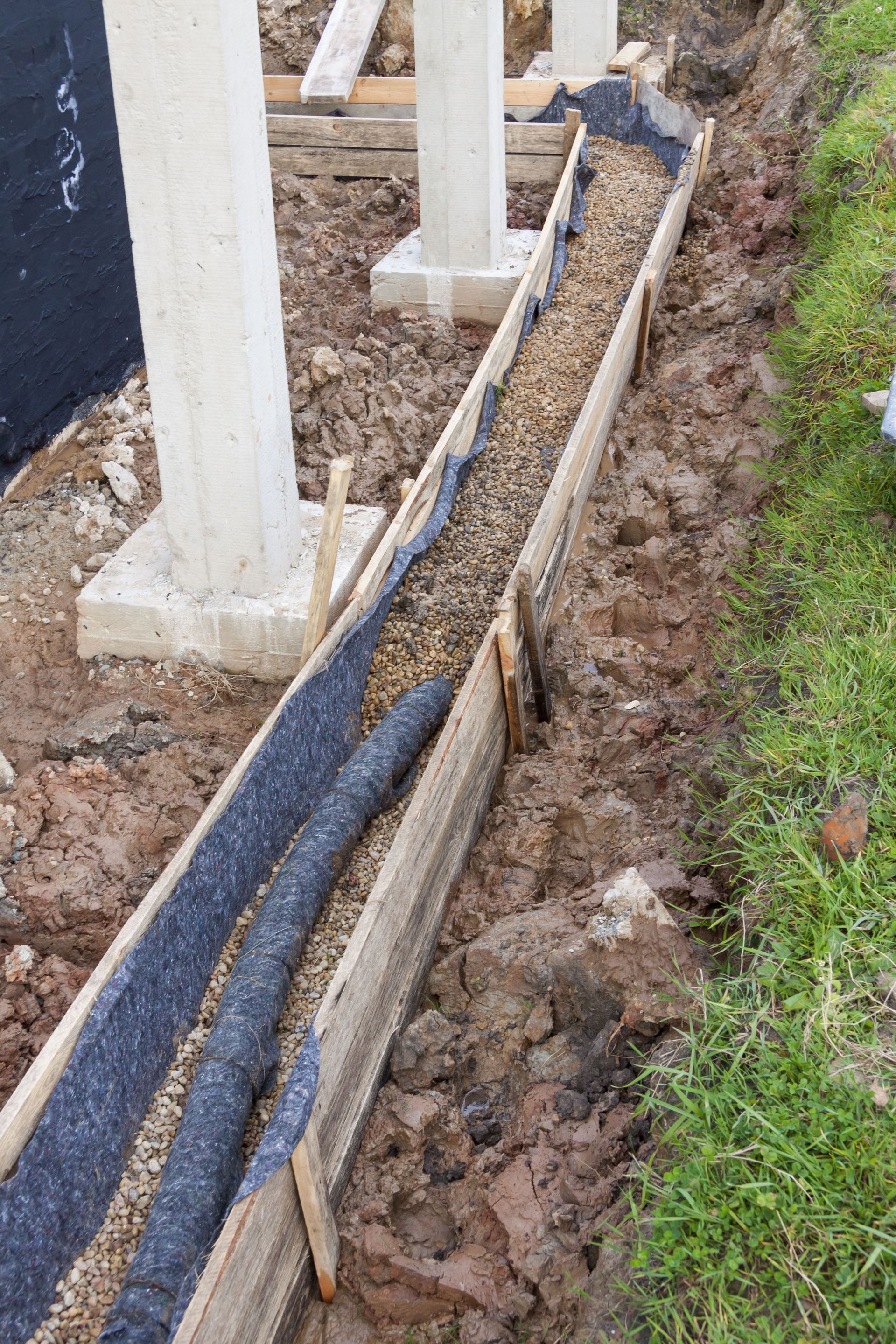
Exterior waterproofing focuses on preventing water from entering the basement through foundation walls. Common approaches include applying waterproof membranes and installing exterior drainage systems to redirect groundwater. These methods reduce hydrostatic pressure and protect the structure from sustained moisture exposure. Although effective, exterior solutions often involve excavation and higher upfront costs. Consulting a basement waterproofing company helps determine whether this approach is appropriate for the property.
Interior Waterproofing Techniques
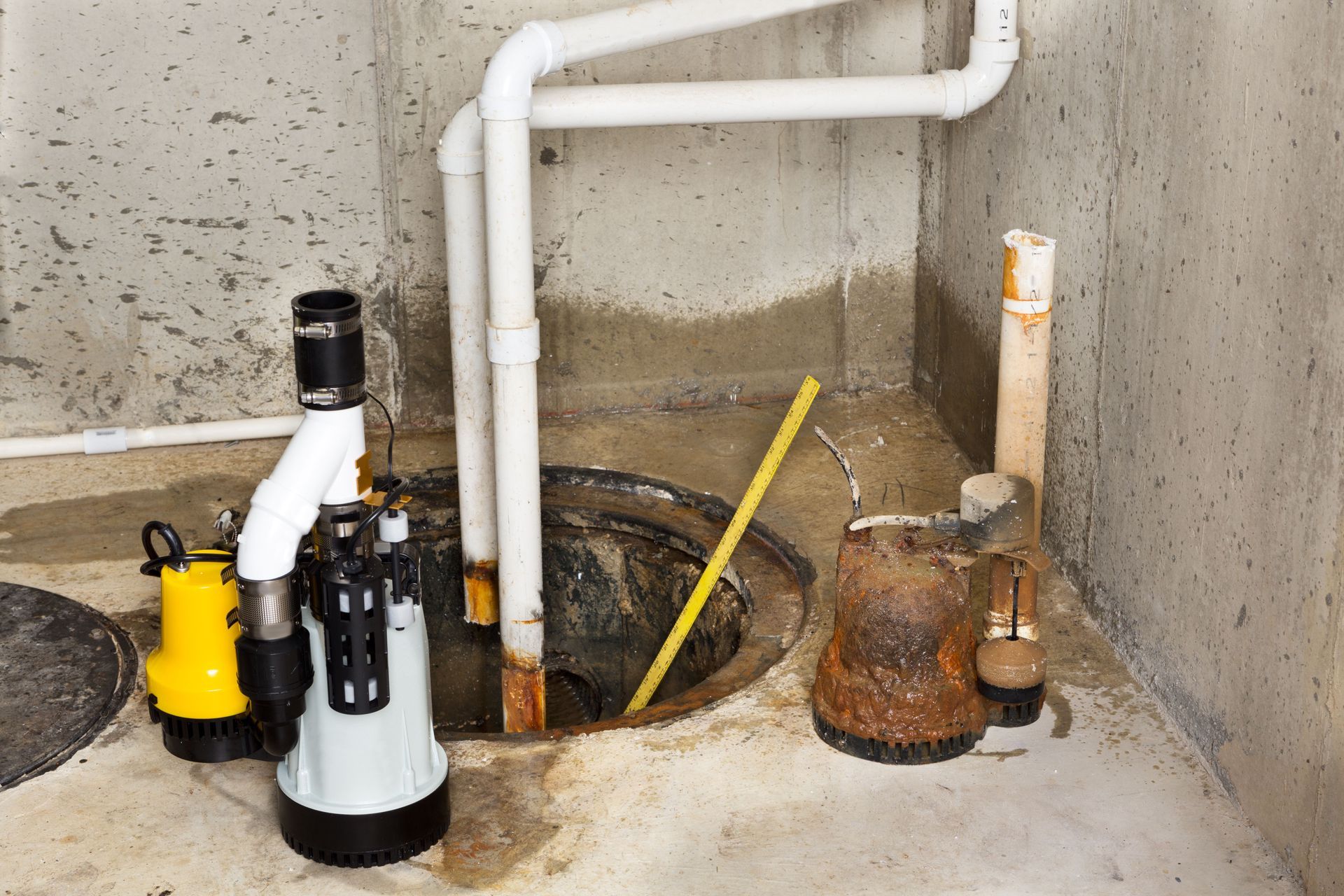
Interior waterproofing methods manage water that has already entered the basement. Systems such as sump pumps and interior drainage channels collect and redirect water safely away. Interior sealants can also reduce minor seepage. These methods often complement exterior solutions to provide comprehensive protection. Strategic integration enhances overall system reliability.
Drainage Systems and Their Importance
Effective drainage systems play a critical role in basement waterproofing. They manage runoff and alleviate pressure on basement walls during heavy rainfall. Well-designed systems combine interior and exterior components for balanced protection. Gutter maintenance and proper downspout placement further support drainage performance. Directing water away from the foundation is essential for long-term prevention.
Waterproofing Paints and Sealants
Waterproofing paints and sealants provide an accessible solution for addressing minor moisture issues. Applied to interior surfaces, they create a moisture-resistant barrier. While useful for small leaks, these products are not substitutes for comprehensive systems. They are most effective when used as supplemental protection. Selecting appropriate materials depends on the basement’s specific vulnerabilities.
How to Identify Waterproofing Needs
Visible Signs of Water Damage
Visible signs of water damage include staining, peeling paint, and damp surfaces. These indicators often point to underlying moisture issues. Early detection prevents minor problems from escalating. Regular visual inspections are a simple but effective preventative step. Addressing these signs promptly limits long-term damage.
Mold and Mildew Detection
Mold and mildew thrive in damp basement environments and can pose serious health risks. Musty odors, discoloration, and respiratory irritation are common indicators. Prompt remediation protects both health and structural materials. Eliminating moisture sources is essential to preventing recurrence. Vigilance supports a healthier living environment.
Testing for Moisture Levels
Moisture testing provides insight into humidity levels and hidden water intrusion. Hygrometers and moisture meters help identify problem areas. Accurate data supports targeted waterproofing interventions. Maintaining balanced moisture levels reduces mold risk and material degradation. This step strengthens overall prevention strategies.
Professional Inspection and Assessment
Professional inspections provide in-depth evaluations that uncover hidden vulnerabilities. Specialists identify structural weaknesses and recommend tailored solutions. According to FEMA, 1 in 4 homes in the US will experience flooding during a 30-year mortgage, underscoring the value of expert input. Engaging a basement waterproofing company during this phase helps homeowners make informed, proactive decisions.
Working With Professional Waterproofing Services
Finding Qualified Waterproofing Contractors
Choosing a qualified contractor requires reviewing credentials, experience, and customer feedback. Reliable professionals adhere to industry standards and proven methods. A reputable basement waterproofing company brings specialized expertise to complex flooding challenges. Thorough research reduces the risk of ineffective solutions. Selecting the right partner significantly influences project success.
Comparing Costs and Services
Comparing estimates helps homeowners understand pricing and service scope. Detailed quotes outline materials, labor, and timelines. While affordability matters, quality should remain a priority. Evaluating multiple proposals from a basement waterproofing company helps identify the best value. Balanced decision making ensures effective, lasting protection.
Understanding Warranties and Guarantees
Warranties and guarantees offer reassurance regarding workmanship and materials. Clear coverage terms protect homeowners from future defects. Understanding warranty limitations prevents misunderstandings. Reliable warranties reflect confidence in service quality. This assurance adds long-term value to waterproofing investments.
DIY Basement Waterproofing Tips
Preparing Your Basement
Preparation involves clearing clutter and repairing visible damage. Clean surfaces allow accurate assessment and product application. Addressing cracks early prevents water intrusion. Organization improves workflow and results. Preparation sets the stage for effective DIY efforts.
Applying Waterproof Coatings
Waterproof coatings enhance resistance to moisture penetration. Proper application ensures maximum adhesion and durability. Following manufacturer instructions is essential. Coatings supplement larger systems effectively. Periodic reapplication maintains protection.
DIY Drainage Solutions
DIY drainage improvements help redirect water away from the foundation. Simple measures such as extending downspouts reduce saturation. Maintaining gutters improves runoff control. Regular checks keep systems functional. These steps support broader waterproofing strategies.
Maintaining Your Basement Post-Waterproofing
Regular Inspections and Checks
Routine inspections maintain system performance and reliability. Early detection limits repair costs. Documentation tracks changes over time. Consistent schedules improve outcomes. Preventative checks reinforce protection.
Importance of Dehumidification
Dehumidification controls moisture levels and discourages mold growth. Consistent humidity management protects materials and air quality. Quality equipment improves comfort and safety. Dehumidifiers complement waterproofing systems. Balanced conditions support long-term preservation.
Addressing New Problems Promptly
Immediate response to new issues prevents escalation. Quick repairs preserve existing safeguards. Professional insight may optimize solutions. Timely action protects investments. Responsiveness ensures durability.
Basement waterproofing is a critical investment for homeowners in flood-prone areas. Understanding flood risks, selecting appropriate solutions, and maintaining systems consistently reduce long-term damage. Whether through professional assistance or informed DIY efforts, working with a dependable basement waterproofing company can provide added confidence and protection. Proactive planning and ongoing care create a resilient defense against flooding. Contact Ohio Custom Waterproofing & Drainage today to get connected with our waterproofing services.